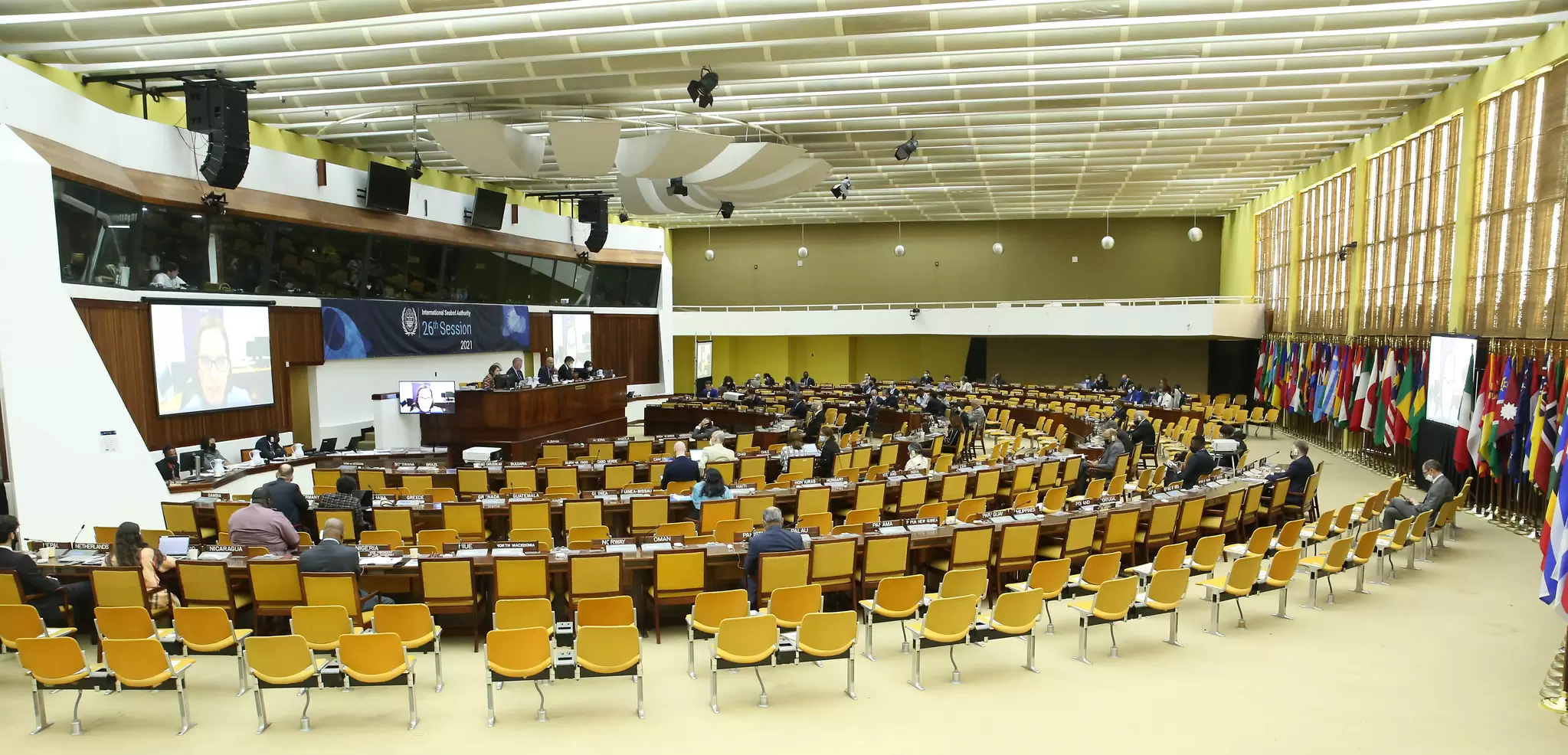

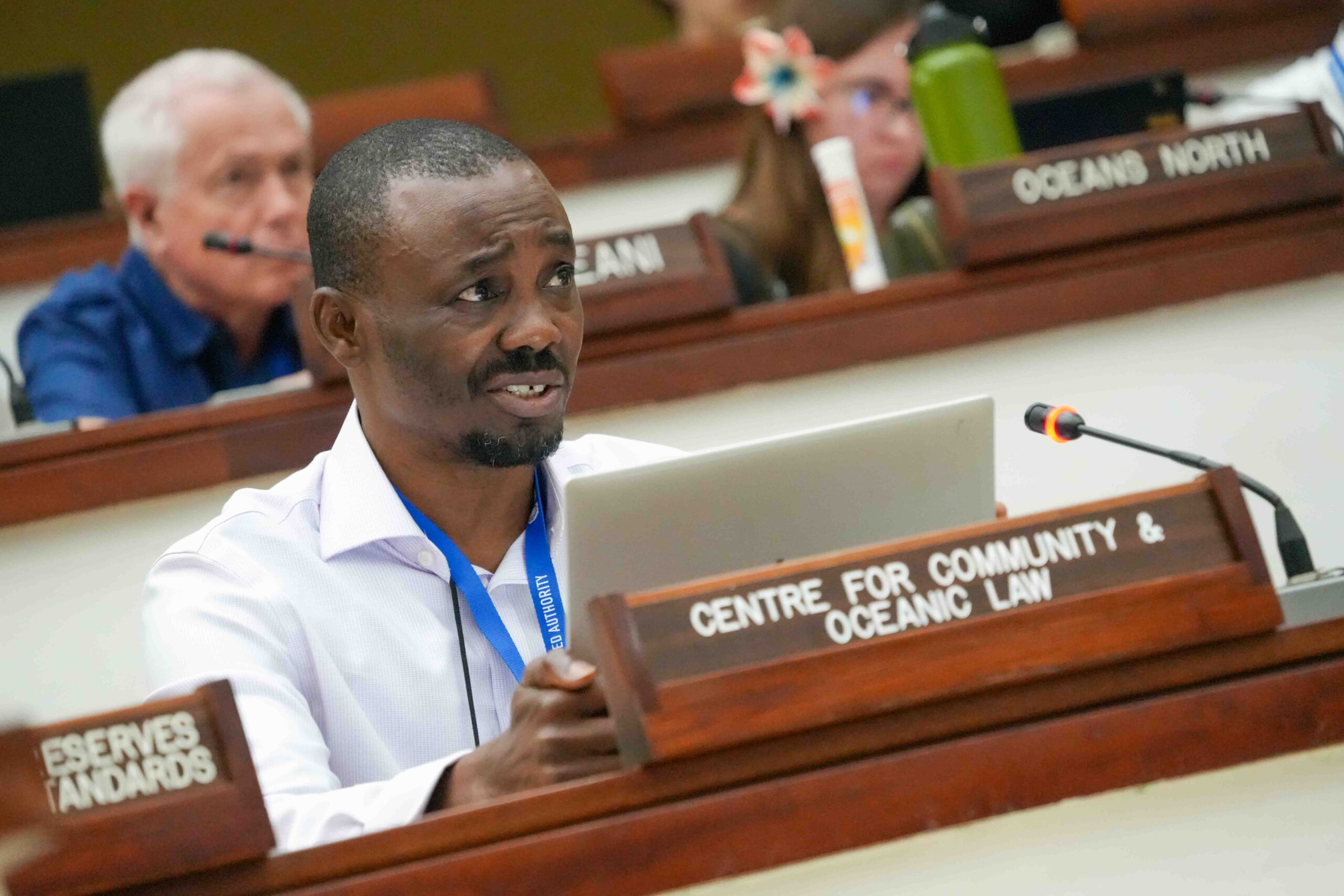
ISA 31st Session, Part II Council and Assembly July 2026 ISA HQ, Kingston, JamaicaDelivered on 30 July 2026 –...

ISA 31st Session, Part II Council and Assembly July 2026 ISA HQ, Kingston, Jamaica. Delivered on 29 July 2026 – Item 9: Annual Report of Madam Secretary-General under article 166, para 4 of the Convention
Thank you, Mr President, for giving us the floor.
Your Excellencies and distinguished delegates,
My delegation is grateful for the opportunity to make this statement.
- We begin by celebrating the gift of Part XI of the United Nations Convention on the Law of the Sea and its 1994 Implementing Agreement. It may not be perfect, but it embodies progress and equity, securing the resources of the Area for all humankind, irrespective of the financial or technological capacities of States or geographical advantages. We pay tribute to Arvid Pardo and all those who foresaw this moment and took steps to instil order through the designation of the Area as the common heritage of humankind.
- The near‑universal participation in the UNCLOS regime reflects the confidence of States in the multilateral system it upholds. In this regard, my delegation joins Madam Secretary‑General in welcoming Cambodia and Kyrgyzstan to its fold.
- The almost universal participation in the regime of UNCLOS, and indeed in Part XI, notwithstanding, recent events relating to the sea involving two non‑party States to the Convention demonstrate how the unilateral act of a necessary non‑party State may interfere with even an international regime as robust as UNCLOS.
- The future remains uncertain and potentially even more challenging, not just by the unilateral acts of a non-state party, but also from challenges from within the multilateral regime.
- Your Excellencies, the Authority must at this point pause and reflect on the significant developments of recent years. In particular, we recall the triggering of the two‑year rule by Nauru in 2021 and the inability of the Council to complete the exploitation regulations till date; we recall President Trump’s Executive Order of 2025 and the associated developments; and we recall the recent cases before the Seabed Disputes Chamber, which the Chamber itself described as “proceedings of historic significance,” being the first contentious matters brought before it under Part XI of the Convention.
- All but one of these events, in our view, have their origin in the protracted and still‑unfinished consideration of the exploitation regulations.
- We recognise the dedication of the council and commend it for the progress achieved in developing the exploitation regulations, without which the transition from exploration to exploitation would not be possible. However, the process has not been as swift as it ought to be; yet, in my delegation’s view, the lack of speed is not the principal obstacle to the transition from exploration to exploitation. We are concerned that the prospect of finalising the exploitation regulations now confronts the formidable pressures of calls for a moratorium, a precautionary pause, or even an outright ban, particularly as States do not seem to share a common vision on the appropriate way forward.
- Members of the Authority must, at this juncture, close ranks to move the process forward, bearing in mind that the longer the delay, the greater the risk that contractors may find it increasingly difficult to remain financially viable to meet their obligations, including their training obligations to developing States. The delay cannot but make any alternative platform even more attractive.
- The greatest guarantee for the durability of the multilateral framework is for the Authority to remain steadfast in its mandate, with full regard for robust environmental standards. The ISA should not disable itself or fetter its own authority; rather, it must continue to build consensus towards the early adoption of the exploitation regulations.
- As an African NGO, we hold firmly to the view that the ISA represents the only realistic avenue through which African States may benefit from the resources of the Area, as no African State appears likely to be able to compete effectively outside the ISA framework.
- We therefore wish to see the finalisation of the exploitation regulations as a much‑needed confidence‑building measure.
- Finally, we congratulate Madam Secretary‑General, and express our appreciation and support, for her innovative and forward‑looking leadership.
We thank you, Mr President
Related Posts

By Marc Weller* International law does not permit any country to appoint itself ‘guardian’ of other states’ rights and...