The Centre for Community Law (CFComLaw) is a non-profit organisation dedicated to advancing knowledge of ECOWAS law and oceanic law across West Africa. Through research, public education, policy engagement, and its peer-reviewed academic journal, CFComLaw works to ensure that ECOWAS frameworks become a living reality for the citizens, institutions, and coastal communities they are designed to serve. CFComLaw holds observer status with the International Seabed Authority under the United Nations Convention on the Law of the Sea.
ECOWAS is not just an economic organisation. It is a legal community — one that creates rights and obligations for over 400 million people. CFComLaw works to ensure those people know what the law entitles them to, and holds governments accountable to those entitlements.
Background
What is ECOWAS Law?
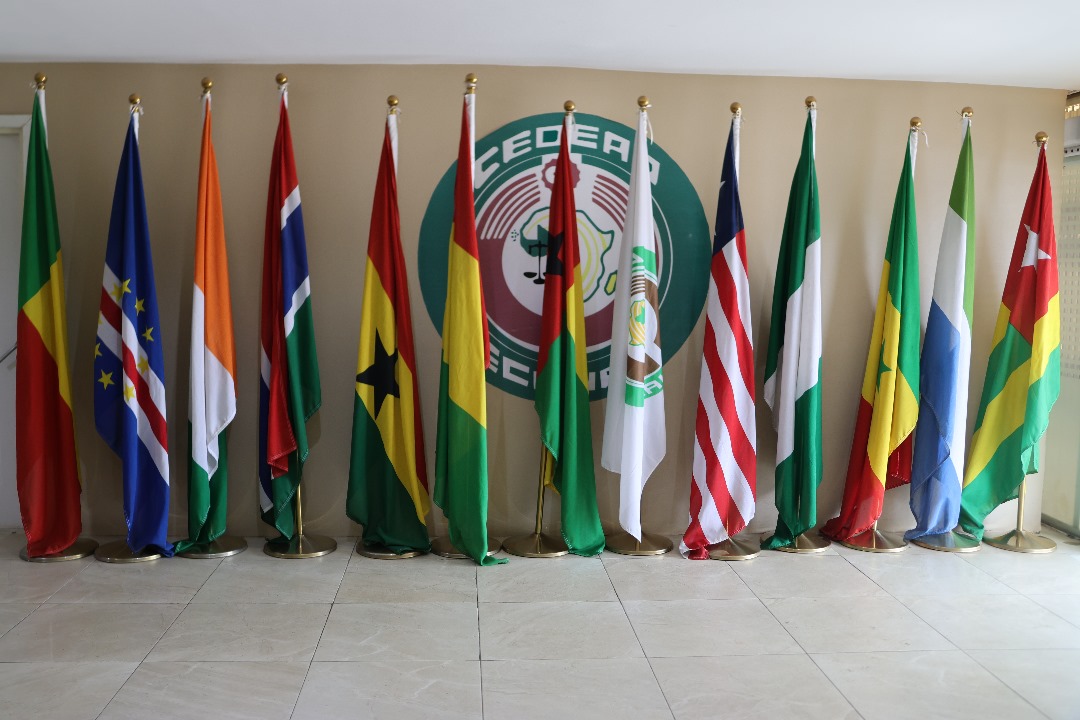
The Economic Community of West African States (ECOWAS) was established by the Treaty of Lagos on 28 May 1975. While it began primarily as an economic integration project, ECOWAS has evolved — through protocols, supplementary acts, and court decisions — into a comprehensive regional legal order that affects the rights and obligations of citizens, businesses, and governments across the region.
ECOWAS law includes: the Revised ECOWAS Treaty of 1993; over 50 protocols and supplementary acts covering free movement, human rights, trade, security, and governance; the decisions of the ECOWAS Community Court of Justice; and the Community Levy that funds regional programmes and institutions.
Key Areas
Key Areas of ECOWAS Law
The Right to Free Movement
The ECOWAS Free Movement Protocol (1979) allows community citizens to move visa-free across all fifteen member states for up to 90 days and to establish businesses in any member state.
Human Rights under ECOWAS Law
The ECOWAS Community Court of Justice has jurisdiction to hear human rights cases brought directly by individuals — without requiring domestic remedies to be exhausted first.
Unconstitutional Change of Government
ECOWAS has a formal 'zero tolerance' policy on unconstitutional change of government — enshrined in the Supplementary Protocol on Democracy and Good Governance (2001).
Trade, Investment and Consumer Rights
ECOWAS's Trade Liberalisation Scheme allows duty-free trade among member states in qualifying goods, while various protocols regulate investment and business establishment.
For Citizens: Know Your Rights
If you are a citizen of an ECOWAS member state, here are some of the rights you hold under ECOWAS law:
✦ The right to travel visa-free across all 15 ECOWAS member states for up to 90 days.
✦ The right to establish a business in any ECOWAS member state under the same conditions as nationals.
✦ The right to take a human rights case directly to the ECOWAS Community Court of Justice.
✦ The right to an ECOWAS Travel Certificate or ECOWAS Passport as a recognised travel document.
✦ The right to non-discrimination in ECOWAS member states on grounds of nationality.