By Paul Ejime* In addition to the obnoxious apartheid system practised by the white minority population in South Africa,...

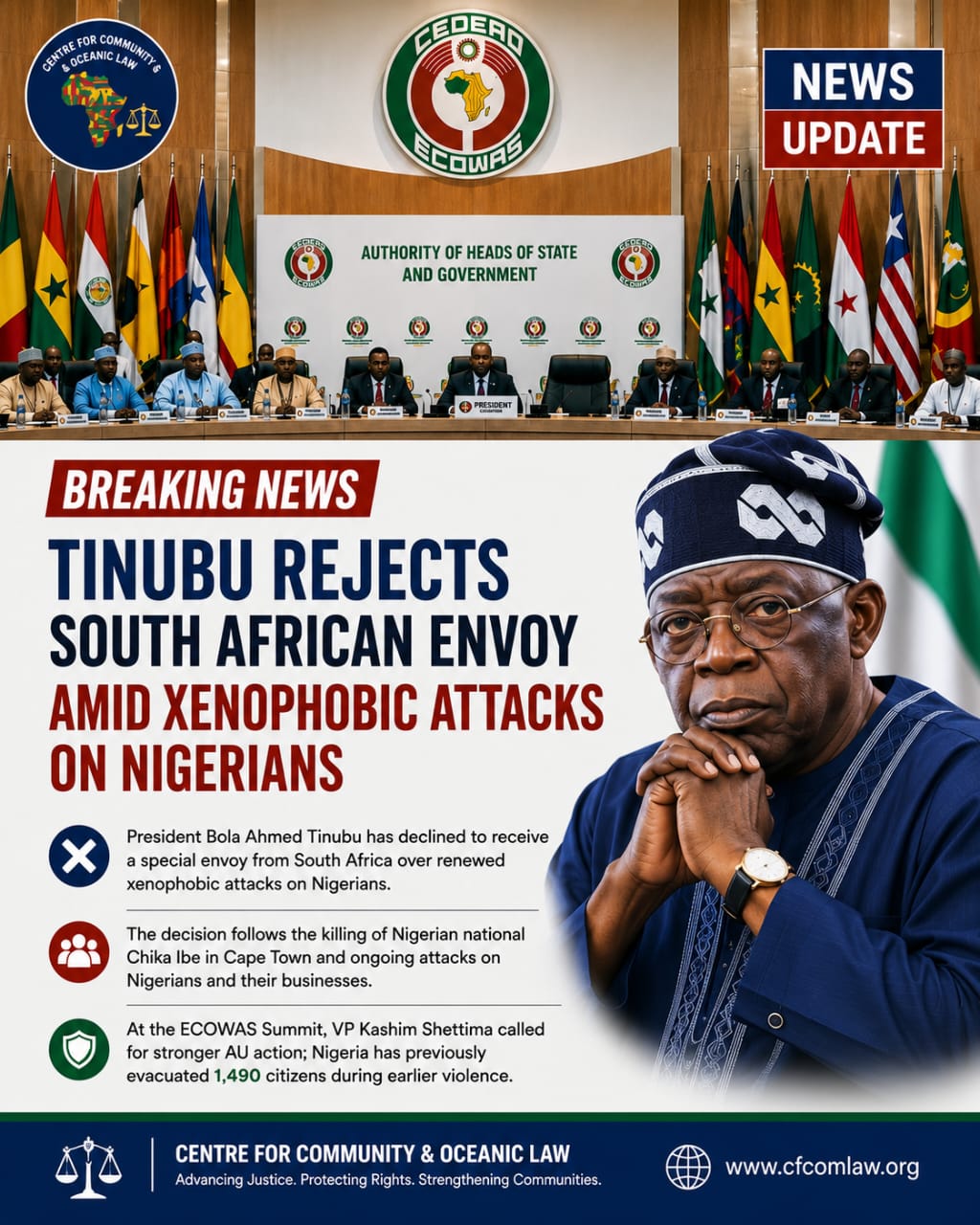
The reported decision by Nigerian President Bola Ahmed Tinubu to decline a meeting with a special envoy from South African President Cyril Ramaphosa has sparked renewed debate over the persistent challenge of xenophobic violence in South Africa. More than a diplomatic gesture, the move reflects growing frustration over repeated attacks on Nigerians and the perceived lack of lasting solutions.
According to The Sun Nigeria, the South African delegation arrived in Abuja with a message from President Ramaphosa. However, the visit came in the wake of the reported killing of Nigerian national Chika Ibe in Cape Town and continued attacks on Nigerians and their businesses. Against this backdrop, Nigerian authorities reportedly considered symbolic engagement insufficient without clear commitments to protect the lives and rights of affected persons.
The incident once again raises fundamental questions about the protection of Africans exercising their right to live, work, and conduct business across the continent. While regional integration remains a cornerstone of the African Union and ECOWAS, freedom of movement cannot be meaningful where individuals face violence, discrimination, or fear because of their nationality.
At the Centre for Community & Oceanic Law (CFComLaw), we believe that every African state has a legal and moral obligation to safeguard the rights, dignity, and security of all persons within its jurisdiction. Xenophobic violence undermines the principles of equality, human dignity, and regional solidarity upon which African cooperation is built.
As governments continue diplomatic engagements, meaningful progress must be measured not by official visits alone, but by concrete actions that ensure justice for victims, accountability for perpetrators, and effective protection for vulnerable communities. A united Africa requires more than open borders—it requires a shared commitment to the rule of law and the protection of human rights.
This article reflects ongoing public reports and is intended to promote informed discussion on human rights, regional integration, and the rule of law.