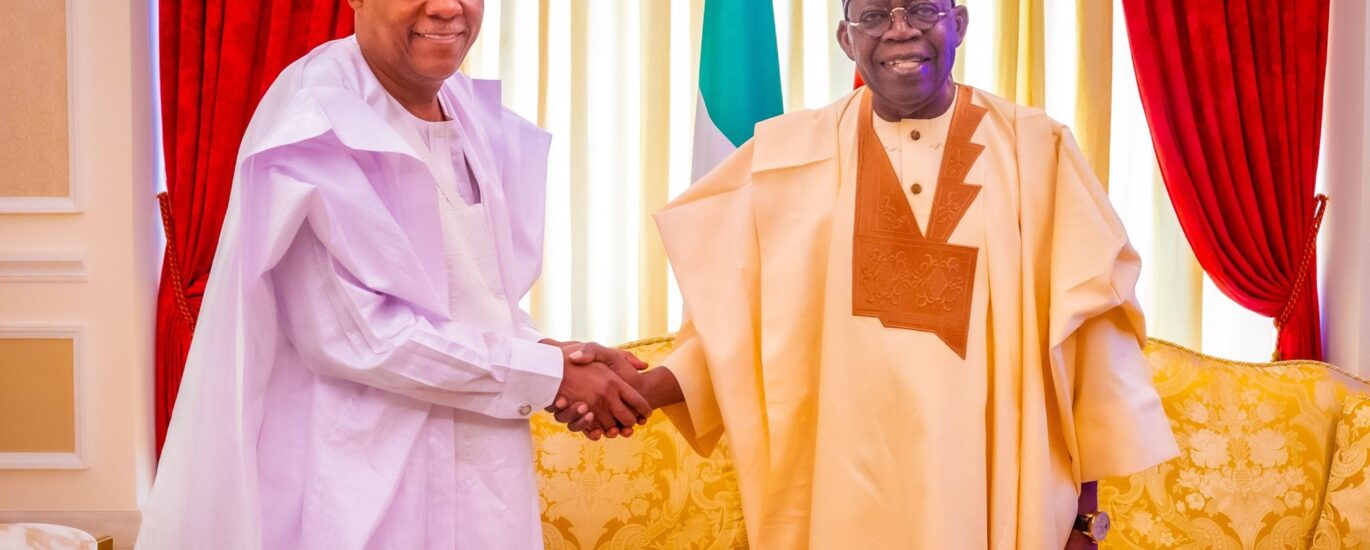
For several years, the Centre for Community Law has carefully observed the September jamboree at the UN General Assembly, listening to the parade of speeches, but forsaking their hollowness. Yet in the last two years, we have paid closer attention to Nigeria’s address – not for its substance, but for the grace with which the Vice President Vice President Kashim Shettima (who deserves admiration for his brilliance and oratory) delivers it.
However, hard as we try to ignore the content, the Vice President’s allure has a bonding effect that catches a more than a passive attention. Besides, this year was a different year signalling on many fronts a shift in traditional alliances, not just in war posturing but also in trade and political ideologies movements – the mass recognition of the state of Palestine, President Trump’s tariff war, the attraction to right wing politics – being obvious examples.
As many organizations that focus on international law-related objectives, we suppose, it was important that we paid close attention to the speeches as there appeared to be something to take away this year from the usual hollowness of the annual gathering.
The speech delivered on behalf of Nations, including Nigeria, was therefore bound to get greater attention this time around. Our attention was not on the messenger but on the message, on which we shall now focus
We should be forgiven for paying very scant attention to the Vice President’s reminder to the rest of the world that “we are here to deliver a world of peace and development, where respect for human rights is paramount” when he very well knowns such is irreconcilable with the daily human rights crises within Nigeria’s borders. What drew even sharper attention was his passionate lament over Gaza, while sympathy for victims of domestic carnage barely merited a passing mention.
In his own words:
“At home, we confront this culture of insurgency that we have resolved from this long and difficult struggle with violent extremism. One truth stands clear. Military tactics may win battles measured in months and years, but in wars that span generations, it is values and ideas that deliver the ultimate victory.
We are despised by terrorists because we choose tolerance over tyranny. Their ambition is to divide us and to poison our humanity with a toxic rhetoric of hate. Our difference is the distance between shadow and light, between despair and hope, between the ruin of anarchy and the promise of order. We do not only fight wars. We pity and shelter the innocent victims of war.
This is why we are not indifferent to the devastations of our neighbours near and distant.
This is why we speak of the violence and aggression visited upon innocent civilians in Gaza, the illegal attack on Qatar, and the tensions that scarred the wider region. It is not only because of the culture of impunity that makes such acts intolerable, but also because our own bitter experience has taught us that such violence never ends where it begins.
We do not believe that the sanctity of human life should be trapped in the corridors of endless debate. That is why we say, without stuttering and without doubt, that a two-state solution remains the most dignified path to lasting peace for the people of Palestine. For too long, this community has borne the weight of moral conflict. For too long, we have been caught in the crossfire of violence that opened the conscience of humanity.
We come not as partisans, but as peacemakers. We come as brothers and sisters of a shared world, a world that must never reduce the right to live into the currency of devious politics. The people of Palestine are not collateral damage in a civilisation searching for order. They are human beings, equal in worth, entitled to the same freedoms and dignities that the rest of us take for granted”.
The rhetoric was moving, but also profoundly misplaced. The world leaders before whom the VP performed this moral dance are not naïve. They know Nigeria ranks 8th on the Global Terrorism Index (the highest in ECOWAS). They know of the 2.23 million kidnapping incidents and N2.2 trillion ransom paid in just 13 months. They know that at least 2,266 Nigerians were killed by insurgents and bandits in the first half of 2025 – surpassing the total deaths of all 2024. They have read Amnesty International’s findings: over 10,000 killed in just two years of the current government, including nearly 7,000 in Benue alone.
Why, then, should Nigeria’s Vice President thunder about the sanctity of life in Gaza while Nigeria’s own dead, displaced, and kidnapped remain consigned to silence? Why must the blood of Nigerians be treated as a subject for endless debate at home, while the blood of Palestinians commands tears on the world stage?
The Centre states that it is not wrong for Nigeria to express solidarity with victims abroad. But it is unconscionable to do so while airbrushing away the suffering of one’s own people. The dissonance is jarring. It is a great disservice to survivors of brutal attacks and to families who bury loved ones every week. It is also a grotesque abdication of empathy – a monumental display of failure of leadership or the lack of understanding of what leadership entails.
Established in Article 7 of the United Nations Charter, the General Assembly is one of the principal organs of the UN. It consists of all the Members of the United Nations (article 9). Its functions are provided for under Article 10 and 11 of the Charter and its regular annual sessions of the Assembly is provided for in article 20 of the Charter.
In addition to its general power to discuss any questions or any matters within the scope of the Charter or relating to the powers and functions of any organs provided for in the Charter, article 10, Article 11 specifically allows the General Assembly to “consider the general principles of co-operation in the maintenance of international peace and security, including the principles governing disarmament and the regulation of armaments, and may make recommendations with regard to such principles to the Members or to the Security Council or to both”.
The Centre expected that Nigeria would take advantage of its address to seek cooperation against the terrorism ravaging the country as well as to push for international action against terrorism. How would anyone take Nigeria seriously if its leaders continue to pretend to those who know the truth about Nigeria – it is righteousness and honesty that builds a nation!
The Centre is of the firm view that our leaders can, and must, do better!
Centre for Community Law
Misplaced Grief at the UN: The VP’s Tears for Gaza, Silence on Nigeria
About the Author